
No products in the cart.
Return To Shop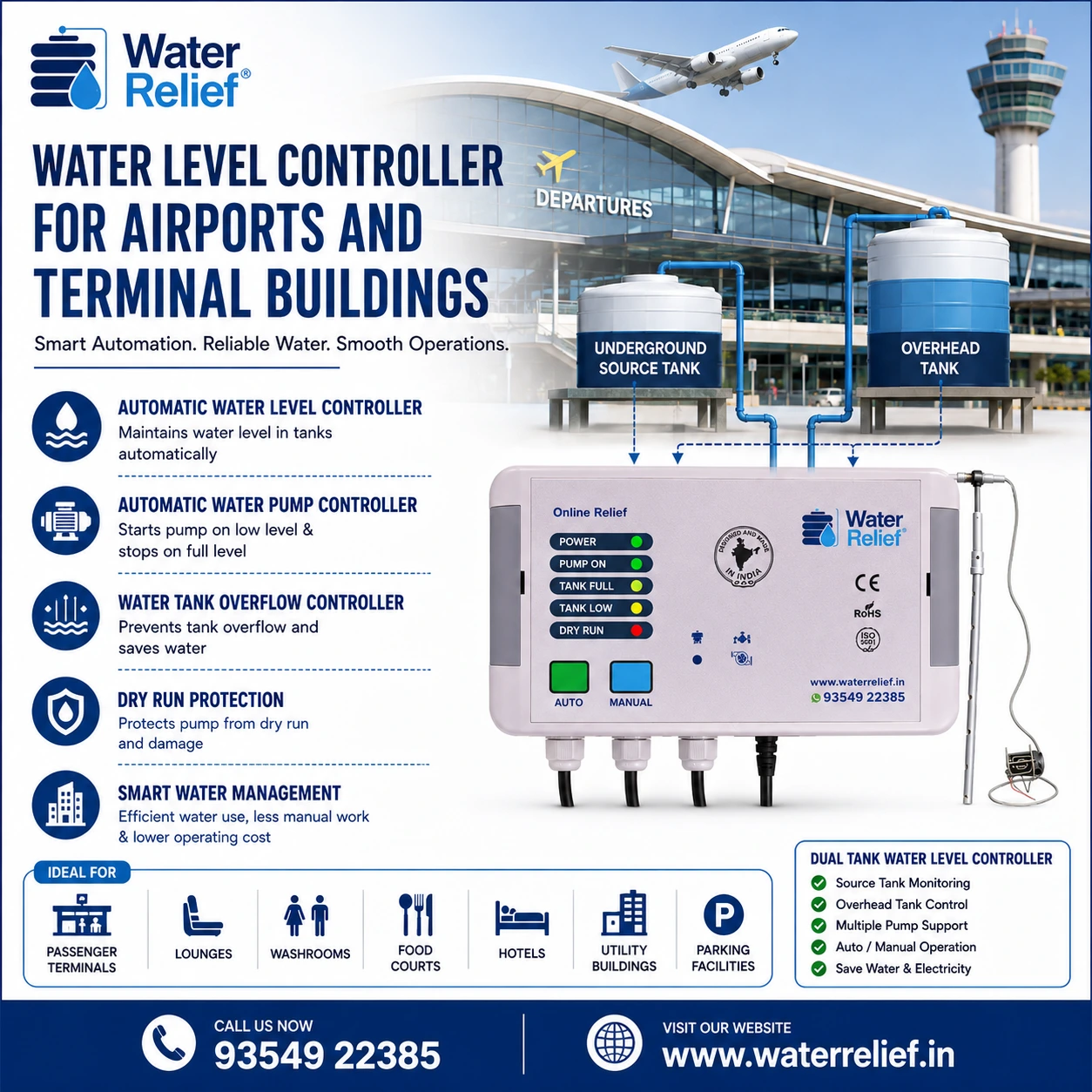
A Water level controller for airports and terminal buildings helps manage large water tanks and pumps automatically. It monitors water levels, starts the pump when water is needed and stops it when the tank becomes full.
Airports and terminal buildings use water throughout the day. Washrooms, food courts, staff areas, cleaning systems and service zones all depend on a reliable supply. Therefore, even a short water shortage can create operational problems.
At the same time, manual pump control can lead to tank overflow, extra electricity use and unnecessary staff work. A well-planned Water automation system helps make water management more reliable and easier to control.
Why Airports Need Automatic Water Management
Airports often have several water storage tanks and pumps.
Some tanks may supply public washrooms, while others serve food areas, offices, utility rooms or maintenance sections. Because of this, water demand can change from one area to another.
Common problems include:
- Overhead tank overflow
- Underground tank becoming empty
- Pumps running longer than required
- Delayed tank filling
- Manual checking of tank levels
- Water shortage in busy terminal areas
- Extra electricity use
- Difficulty managing multiple tanks
- Pump damage from low source water
- Increased workload for maintenance teams
Therefore, an Automatic water level controller can help manage these systems more efficiently.
What Is an Automatic Water Level Controller?
An Automatic water level controller is a system that monitors the water level inside storage tanks through sensors.
These sensors are placed at selected low and full levels.
When the destination tank becomes low, the controller checks whether enough water is available in the source tank. If water is available, the pump starts automatically.
Once the tank reaches the full level, the pump stops.
The process is simple:
Tank low → Source tank checked → Pump starts → Tank fills → Full level reached → Pump stops
As a result, maintenance staff do not need to operate the pump every time.
How Water Automation Works in Airport Buildings
A typical airport water system may include:
- Main underground storage tank
- Overhead tank
- Utility tank
- Food court tank
- Staff-use tank
- Cleaning-water tank
- Multiple transfer pumps
The controller monitors the tanks and manages water movement between them.
For example, when the overhead tank becomes low, the controller can start the transfer pump. Once the required level is reached, the motor stops automatically.
Therefore, the system can maintain a more stable water supply across the terminal.
Role of an Automatic Water Pump Controller
An Automatic water pump controller connects the tank sensors with the pump starter.
It can manage:
- Automatic pump start
- Automatic pump stop
- Full-tank cut-off
- Low source-water protection
- Pump-running status
- Manual override
- Multiple tank control
- Multiple pump support
The controller should be selected according to the pump horsepower, voltage, phase and starter type.
Benefits of Water Level Automation in Airports
Reliable Water Availability
Airports operate for long hours and often handle large passenger volumes.
Therefore, water tanks need to remain ready throughout the day. Automatic control starts filling the tank when the level becomes low.
As a result, the chance of sudden water shortage is reduced.
Prevents Water Tank Overflow
Manual pump operation can cause overflow if the pump is not stopped on time.
A Water tank overflow controller stops the pump automatically when the tank becomes full.
This helps prevent:
- Water wastage
- Wet service areas
- Damage near tank rooms
- Higher electricity costs
- Extra drainage load
- Unnecessary pump operation
Reduces Manual Work
Airport maintenance teams already manage electrical systems, HVAC, plumbing, cleaning and other services.
Automatic water control reduces the need to check tanks again and again.
Saves Electricity
The pump works only when water transfer is required.
Once the tank reaches the selected level, the controller stops the motor. Therefore, unnecessary pump operation is reduced.
Supports Smart Water Management
Smart water management helps large buildings use water more efficiently.
It allows different tanks and pumps to work according to actual water demand instead of fixed manual timings.
Improves Pump Safety
If the source tank becomes empty, the controller can stop the pump before it runs without enough water.
This helps reduce the risk of pump damage and overheating.
Dual Tank Water Level Controller for Airports
Many airport systems use at least two main tanks:
- Underground source tank
- Overhead destination tank
A Dual tank water level controller monitors both tanks together.
The system starts the pump only when:
- The overhead tank needs water
- The underground tank has enough water
It stops the pump when:
- The overhead tank becomes full
- The underground tank becomes too low
Therefore, both tanks work together in a safer and more controlled way.
Water Automation System for Multiple Terminal Areas
Large terminals may need separate tanks for different zones.
For example:
- Domestic terminal
- International terminal
- Food court
- Staff block
- Lounge area
- Utility section
- Parking building
- Maintenance block
A customised Water automation system can manage these areas through separate tanks, pumps and control logic.
This is especially useful where one main tank supplies several parts of the airport.
Water Tank Overflow Controller for Large Buildings
A Water tank overflow controller is important in large buildings because even a small delay in switching off the pump can waste a large amount of water.
Automatic cut-off helps stop this problem.
It is especially useful when:
- Tanks are located far from the pump room
- Tanks are difficult to check manually
- Pumps operate at night
- Several pumps are used
- Multiple tanks need filling
- Staff work in shifts
Smart Water Management for Airport Operations
Modern airport buildings need more than basic pump switching.
A proper Smart water management setup may include:
- Tank-level sensors
- Automatic pump control
- Dual tank monitoring
- Multiple pump support
- Overflow protection
- Manual override
- Pump status indicators
- Source-water monitoring
As a result, the water system becomes easier to manage from one planned control setup.
Suitable Areas Inside Airports
Water automation can be used in:
Passenger Washrooms
A stable water supply is important in high-use washroom areas.
Food Courts and Kitchens
Restaurants and food outlets need water for cleaning and daily operations.
Staff Areas
Staff washrooms, kitchens and utility zones need regular water supply.
Cleaning and Housekeeping
Cleaning teams need water for floors, service areas and other daily work.
Lounges
Airport lounges require reliable water for washrooms and service areas.
Utility Buildings
Maintenance and support buildings may use separate storage tanks.
Parking and Service Areas
Some parking buildings and service zones also require water for cleaning and maintenance.
Multiple Pump Management
Large airport water systems may use more than one pump.
For example:
- Main pump
- Standby pump
- Transfer pump
- Booster pump
- Separate pump for another terminal
A suitable controller can manage pump operation according to water demand.
For instance, one pump may work as the main pump while another remains on standby.
This helps improve reliability in large water systems.
Manual Water Management vs Automatic Control
| Manual Water Management | Automatic Water Control |
|---|---|
| Needs regular checking | Monitors tank levels automatically |
| Higher overflow risk | Stops pump at full level |
| Depends on maintenance staff | Reduces manual dependency |
| Water shortage may be noticed late | Starts filling at low level |
| Pump may run unnecessarily | Pump runs only when needed |
| Hard to manage many tanks | Supports multi-tank control |
| More chance of human error | Uses automatic control logic |
Features to Check Before Installation
Number of Tanks
The system should support the actual number of source and destination tanks.
Pump Capacity
The controller should match the pump horsepower and electrical load.
Pump Phase
Check whether the pumps use single-phase or three-phase power.
Full-Level Cut-Off
The destination tank should stop filling automatically when full.
Low-Level Protection
The source tank should be monitored to prevent unsafe pump operation.
Manual Override
Manual control is useful during maintenance and testing.
Multiple Pump Support
Large terminals may need duty and standby pump control.
Clear Status Indicators
Useful indicators may include:
- Tank low
- Tank full
- Pump running
- Source tank low
- Power available
- Manual or automatic mode
Installation Requirements
Before installation, a technician should inspect the complete airport water system.
Important details include:
- Number of terminal buildings
- Number of tanks
- Tank capacity
- Number of pumps
- Pump horsepower
- Pump phase
- Starter panels
- Pipe layout
- Building height
- Water demand
- Source-water arrangement
- Sensor locations
- Standby pump requirement
- Separate zone requirements
Therefore, proper planning is important before selecting the controller.
Why Choose Water Relief?
Water Relief provides automatic water-control solutions for homes, commercial properties, institutions and large buildings.
A suitable system can help:
- Automate tank filling
- Start and stop pumps automatically
- Prevent tank overflow
- Monitor multiple tanks
- Support dual tank control
- Reduce manual checking
- Save water and electricity
- Improve pump protection
- Support smart water management
The controller should be selected according to the airport’s tank layout, pump specifications and water demand.
Conclusion
A Water level controller for airports and terminal buildings helps maintain reliable water levels while reducing manual pump operation.
An Automatic water level controller monitors tank levels, while an Automatic water pump controller manages the motor according to actual demand.
For larger properties, a Dual tank water level controller and customised Water automation system can manage multiple tanks and pumps more efficiently.
Therefore, airports can reduce overflow, save electricity and improve overall Smart water management.
FAQs
1. What is a water level controller for airports and terminal buildings?
It is an automatic system that monitors water tanks and controls pumps according to the building’s water requirements.
2. Can the controller prevent water tank overflow?
Yes. A full-level sensor stops the pump when the tank reaches the selected maximum level.
3. Can one controller manage multiple airport tanks?
Yes. A customised system can monitor and manage several tanks across different terminal areas.
4. Can the system control multiple pumps?
Yes. A suitable controller can support main, standby and transfer pumps according to the water system design.
5. What is a dual tank water level controller?
It monitors both the source tank and destination tank and controls the pump according to their water levels.
6. Is professional installation recommended?
Yes. A technician should inspect the tanks, pumps, electrical panels and water demand before installation.
About author

Related posts
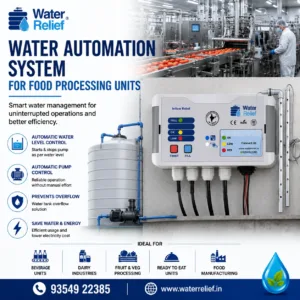
A Water automation system for food processing units helps manage storage tanks and pumps without constant manual checking. It monitors water levels, starts the pump... Continue reading
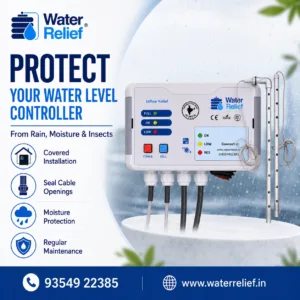
To protect water level controller from rain moisture and insects, the controller should be installed in a dry, covered and properly ventilated location. Direct rain,... Continue reading
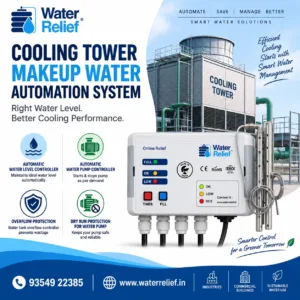
A Cooling tower makeup water automation system helps maintain the required water level in cooling tower tanks without constant manual checking. It monitors the water... Continue reading
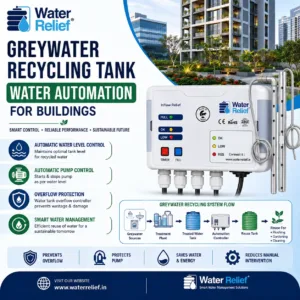
Greywater recycling tank water automation for buildings helps manage recycled water storage and pump operation without constant manual checking. It monitors tank levels, starts the... Continue reading
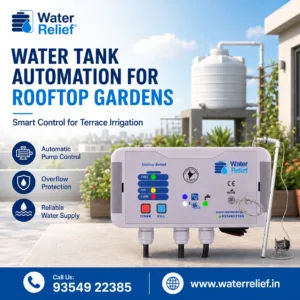
Water tank automation for rooftop gardens helps maintain a reliable water supply for plants without constant manual checking. It monitors the tank level, starts the... Continue reading

Add comment