
No products in the cart.
Return To Shop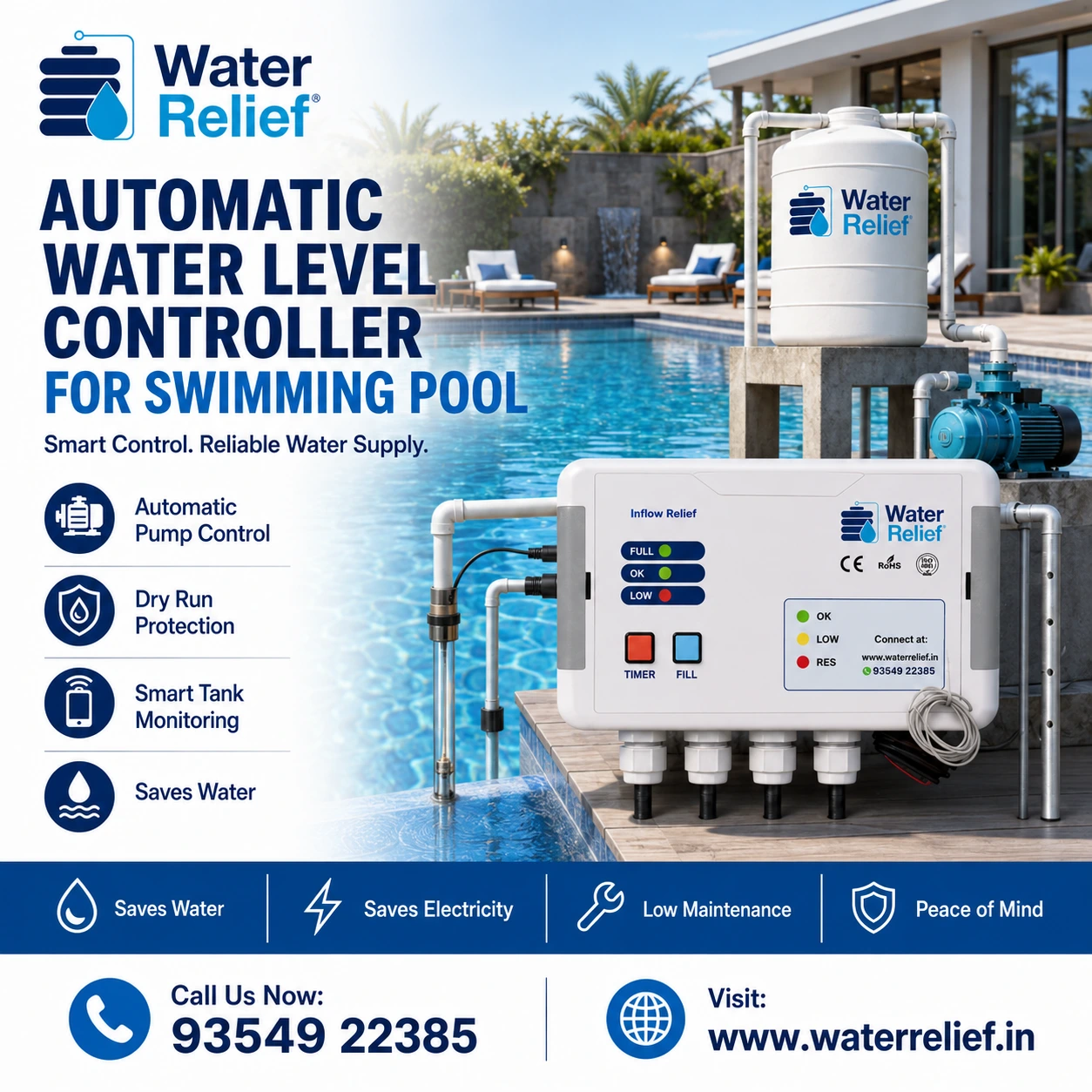
An automatic water level controller for swimming pool use helps maintain the correct water level without regular manual checking. It automatically starts the water supply when the level becomes low. Moreover, it stops the pump or inlet when the required level is reached.
Swimming pools lose water because of evaporation, splashing, cleaning, filtration and backwashing. Therefore, the water level may fall even when there is no major leakage. At the same time, manual filling can cause overflow if the pump is not switched off on time.
A reliable automatic water level controller solves both problems. It maintains the required water level, prevents unnecessary overflow and protects the water pump. As a result, pool owners can save water, electricity and maintenance time.
Why Swimming Pools Need Automatic Water Level Control
The water level of a swimming pool must remain within a safe range. If it falls too low, the filtration and circulation systems may not work correctly. In addition, pumps may draw air instead of water.
On the other hand, excess water can overflow into the surrounding area. This may lead to slippery floors, water wastage and additional pressure on the drainage system.
Manual monitoring may work for small pools. However, it becomes difficult in hotels, clubs, schools, farmhouses, resorts and sports complexes. Therefore, an automatic solution is more reliable.
A swimming pool controller can manage:
- Pool water filling
- Balancing tank levels
- Underground water tanks
- Overhead supply tanks
- Transfer pumps
- Filtration support tanks
- Water inlet valves
- Multiple water sources
What Is an Automatic Water Level Controller?
An automatic water level controller is an electronic device that monitors the water level through sensors.
These sensors are installed at the selected minimum and maximum levels. When the water falls below the minimum point, the controller starts the pump or opens the inlet valve.
After that, the swimming pool begins to fill. Once the water reaches the maximum sensor, the controller stops the supply automatically.
The process works in the following way:
Low water level → Sensor detects shortage → Pump starts → Pool fills → Maximum level reached → Pump stops
Therefore, the system does not require someone to watch the pool continuously.
How a Swimming Pool Water Automation System Works
A water automation system connects the water-level sensors with the pump starter or water inlet.
The exact setup depends on the pool design. For example, some properties fill the swimming pool directly from a pipeline. Others use an underground tank, overhead tank or balancing tank.
The controller can be configured according to the available arrangement.
When the Water Level Is Low
The low-level sensor detects that the pool or balancing tank needs water. Therefore, the controller starts the filling pump or opens the inlet valve.
During the Filling Process
The controller continues monitoring the rising water level. Meanwhile, the pump remains active only for the required period.
When the Pool Becomes Full
The upper-level sensor detects the selected maximum level. As a result, the controller stops the pump automatically.
When the Source Tank Is Empty
A suitable controller can also monitor the source tank. If there is not enough water, the system stops the pump through dry run protection.
Benefits of an Automatic Water Level Controller for Swimming Pools
Prevents Swimming Pool Overflow
Manual pool filling often depends on staff members remembering to stop the supply. However, busy maintenance teams may forget the running pump.
An automatic controller stops the water supply at the correct level. Therefore, it acts as an effective water tank overflow solution for swimming pools and balancing tanks.
It helps prevent:
- Water wastage
- Wet poolside areas
- Higher water bills
- Drainage overload
- Damage to nearby flooring
- Unnecessary pump operation
Maintains the Correct Water Level
A stable water level is important for pool circulation and filtration. If the water drops below the recommended point, the skimmer may pull in air.
The controller refills the pool automatically. Consequently, the circulation system receives a more consistent water supply.
Saves Water
Swimming pools already require a large quantity of water. Therefore, repeated overflow can increase overall consumption significantly.
An automatic controller stops the filling process at the selected level. As a result, it reduces unnecessary water loss.
Reduces Manual Monitoring
Without automation, someone must inspect the swimming pool regularly. The same person must also operate the pump or inlet valve.
However, an automated controller handles this process independently. Thus, the maintenance team can focus on cleaning, filtration, chemical balance and safety.
Protects the Pump from Dry Running
A pump may continue running even when the source tank becomes empty. This situation can cause overheating and motor damage.
A controller with dry run protection stops the pump when water is unavailable. Therefore, it reduces the risk of sudden pump failure.
Saves Electricity
A manually controlled pump may run longer than necessary. In contrast, an automatic system stops the pump as soon as the desired water level is reached.
Consequently, the pump consumes electricity only when filling is required.
Improves Pump Life
Frequent overheating, unnecessary operation and dry running can reduce motor life.
An automatic controller manages pump operation more efficiently. As a result, it may reduce repair requirements and improve equipment life.
Swimming Pool Balancing Tank Automation
Many commercial swimming pools use a balancing tank. It collects water displaced by swimmers and supports the filtration system.
However, the balancing tank must also remain within the correct level range. If it becomes too empty, the circulation pump may not receive enough water. On the other hand, an overfilled tank may cause water wastage.
An automatic controller can monitor the balancing tank and manage the inlet supply.
This solution is useful for:
- Infinity pools
- Overflow swimming pools
- Hotel pools
- Resort pools
- Public swimming pools
- Sports training pools
- Club swimming pools
- Competition pools
Where Can Swimming Pool Water Automation Be Used?
Residential Swimming Pools
Homeowners can maintain the correct pool level without checking the water supply repeatedly.
Hotels and Resorts
Hotels and resorts require reliable pool operation throughout the day. Therefore, automation helps reduce dependency on staff.
Schools and Colleges
Educational institutions can use automatic controls to manage training and recreational pools more efficiently.
Sports Complexes
Large sports facilities require regular circulation and filtration. As a result, maintaining a stable water level becomes essential.
Clubs and Fitness Centres
Swimming clubs can reduce water wastage and simplify daily pool maintenance.
Farmhouses and Villas
Farmhouse pools may remain unattended for several hours. Therefore, automatic filling helps maintain the required level.
Public Swimming Pools
Public pools often have large capacities and multiple tanks. A customised automation system can manage these complex arrangements.
Features to Check Before Choosing a Controller
Not every controller is suitable for every swimming pool. Therefore, the complete setup should be inspected before selection.
Important features include:
Automatic Pump Start and Stop
The system should start filling when the water level becomes low. It should also stop at the selected maximum level.
Overflow Protection
The upper-level sensor should stop the supply quickly and reliably.
Dry Run Protection
The controller should detect an empty source tank and stop the pump.
Multiple Tank Support
Some properties use a swimming pool, balancing tank, underground tank and overhead tank together. Therefore, the controller should support the required configuration.
Pump Compatibility
The controller must be compatible with the pump horsepower, voltage, phase and starter type.
Durable Sensors
Water-level sensors should be suitable for long-term use in the selected tank or pool environment.
Manual Override
A manual mode is useful during testing, servicing or emergency maintenance.
Status Indicators
The controller may display conditions such as:
- Pump running
- Pool full
- Low water level
- Source tank empty
- Dry-run condition
- Power supply available
Manual Pool Filling vs Automatic Pool Filling
| Manual Pool Filling | Automatic Pool Filling |
|---|---|
| Requires regular checking | Works automatically |
| Higher risk of overflow | Stops at the selected level |
| Depends on staff availability | Reduces staff dependency |
| Pump may run unnecessarily | Pump runs only when required |
| No automatic source protection | Can include dry run protection |
| Higher water wastage risk | Improves water efficiency |
Therefore, an automatic system is more suitable for frequently used swimming pools.
How Smart Water Systems Improve Pool Management
Smart Water Systems combine sensors, pump controls and safety functions in one automated setup.
Depending on the property, the system may manage:
- Swimming pool water level
- Balancing tank water level
- Underground tank supply
- Overhead tank filling
- Transfer pumps
- Filtration support
- Overflow prevention
- Pump dry-run safety
Therefore, smart water management is not limited to automatic pump switching. Instead, it improves the complete flow of water between different tanks and equipment.
Installation Requirements
Before installation, a technician should inspect the complete swimming pool setup.
The following details should be checked:
- Pool capacity
- Balancing tank capacity
- Water source
- Pump horsepower
- Single-phase or three-phase supply
- Existing starter panel
- Pipeline arrangement
- Sensor installation points
- Distance between tanks
- Filling speed
- Required minimum water level
- Required maximum water level
Correct planning is important because every swimming pool has a different water arrangement.
Why Choose Water Relief?
Water Relief provides automated water-management solutions for homes, societies, commercial properties and institutions.
A suitable Water Relief controller can help:
- Maintain the swimming pool water level
- Prevent water overflow
- Automate pump operation
- Protect pumps from dry running
- Reduce water wastage
- Save electricity
- Reduce manual supervision
- Improve water-management efficiency
The controller can be selected according to the swimming pool, balancing tank, water source and pump specifications.
Conclusion
An automatic water level controller for swimming pool applications provides a simple and reliable way to manage pool filling.
It maintains the selected water level, prevents overflow and reduces manual monitoring. Moreover, a system with dry run protection protects the pump when water is unavailable in the source tank.
Whether the pool is installed in a home, hotel, resort, school, club, farmhouse or sports complex, a reliable water automation system can improve daily maintenance.
Therefore, installing Smart Water Systems can help save water, protect equipment and keep the swimming pool ready for regular use.
FAQs
Can an automatic water level controller be used for a swimming pool?
Yes. The controller can monitor the swimming pool or balancing tank and automatically operate the filling pump or inlet valve.
How does the controller prevent swimming pool overflow?
The upper-level sensor detects when the selected water level is reached. After that, the controller stops the pump or closes the inlet supply.
What is dry run protection in a swimming pool controller?
Dry run protection stops the pump when there is no water available in the source tank or pipeline. Therefore, it helps prevent overheating and motor damage.
Can one controller manage the swimming pool and balancing tank?
Yes, depending on the controller model and system design. A customised setup may manage multiple tanks, pumps and water sources.
Is swimming pool automation suitable for hotels?
Yes. Hotels, resorts, clubs, schools and sports complexes can use automatic water controls to reduce manual work and water wastage.
Can the controller work with a submersible pump?
Yes. However, the controller must be selected according to the pump horsepower, voltage, phase and starter type.
Does an automatic controller reduce electricity consumption?
Yes. It stops the pump when the required level is reached. Therefore, the pump does not run longer than necessary.
Is professional installation required?
Professional installation is recommended. Correct sensor placement and pump compatibility are important for reliable operation.
About author

Related posts
Smart water management for commercial laundry helps control water tanks and pumps automatically in facilities where water demand remains high throughout the day. The system... Continue reading
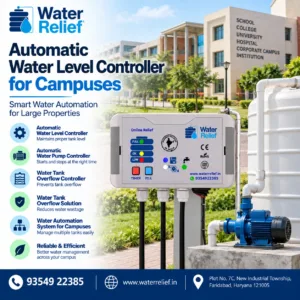
An Automatic water level controller for campuses helps manage multiple water tanks and pumps across large properties without repeated manual checking. It monitors tank levels,... Continue reading
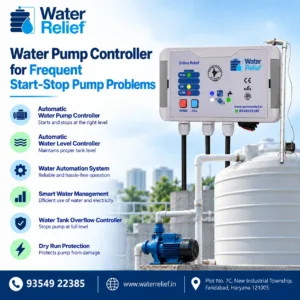
A Water Pump Controller for Frequent Start-Stop Pump Problems helps manage pump operation more efficiently when a motor keeps switching on and off repeatedly. Frequent... Continue reading
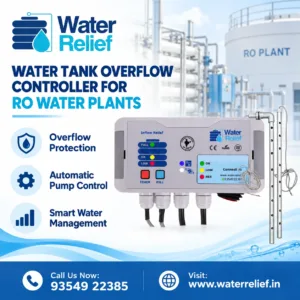
A Water tank overflow controller for RO water plants helps stop unnecessary water loss by monitoring tank levels and controlling pump operation automatically. It detects... Continue reading
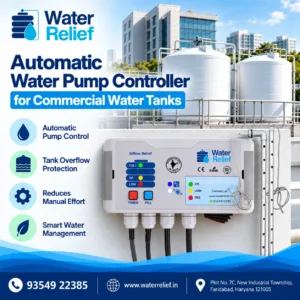
An Automatic Water Pump Controller for Commercial Water Tanks helps manage large water tanks without repeated manual switching. It monitors the tank level, starts the... Continue reading

Add comment