
No products in the cart.
Return To Shop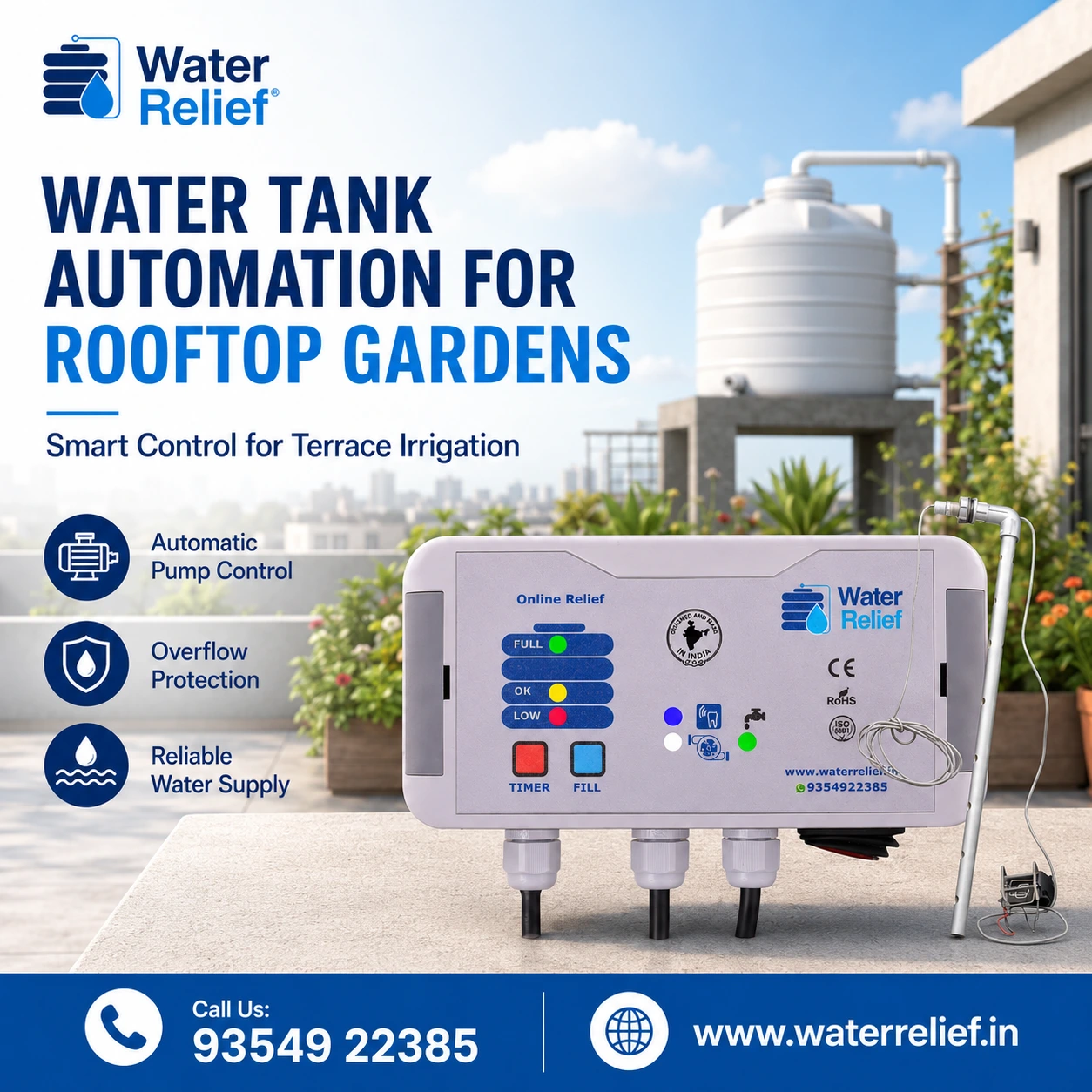
Water tank automation for rooftop gardens helps maintain a reliable water supply for plants without constant manual checking. It monitors the tank level, starts the pump when water is needed and stops it once the tank becomes full.
Rooftop gardens may need regular water for plants, drip irrigation, cleaning and other daily tasks. Therefore, a low tank level can interrupt irrigation. On the other hand, an overflowing tank can waste water and create wet areas on the terrace.
A suitable Water automation system helps reduce these problems. As a result, rooftop garden owners can manage water more easily while reducing manual pump operation.
Why Rooftop Gardens Need Automatic Water Management
Water use in a rooftop garden can change according to the number of plants, weather and irrigation method.
During hot weather, plants may need more frequent watering. In the rainy season, water demand may fall.
Common problems include:
- Irrigation tank becoming empty
- Water tank overflow
- Pump running longer than required
- Staff forgetting to stop the pump
- Frequent manual tank checking
- Water wastage
- Higher electricity use
- Irregular water supply to plants
Therefore, an Automatic water level controller can make daily water management easier.
What Is Rooftop Garden Water Management?
Rooftop garden water management means controlling water storage and supply in a planned way.
A basic setup may include:
- Main water tank
- Rooftop garden storage tank
- Pump
- Irrigation lines
- Drip irrigation system
- Water-level sensors
The controller checks the tank level and decides when the pump should start or stop.
As a result, the garden can receive a more dependable water supply.
How an Automatic Water Level Controller Works
An Automatic water level controller uses sensors placed at selected low and full levels inside the tank.
When the tank reaches the low level, the controller checks whether water is available in the source tank. If water is available, the pump starts automatically.
Once the rooftop garden tank becomes full, the pump stops.
The process is simple:
Tank low → Water available → Pump starts → Tank fills → Full level reached → Pump stops
Therefore, the user does not need to check the tank repeatedly.
Role of an Automatic Water Pump Controller
An Automatic water pump controller connects the tank sensors with the pump starter.
It can manage:
- Automatic pump start
- Automatic pump stop
- Full-tank cut-off
- Pump status indication
- Manual override
- Low source-water protection
However, the controller should match the pump horsepower, voltage and electrical setup.
Benefits of Water Tank Automation for Rooftop Gardens
Maintains Reliable Water Supply
Plants need regular watering, especially during hot weather.
When the tank becomes low, the system starts filling it automatically. Therefore, irrigation can continue without waiting for someone to operate the pump.
Prevents Tank Overflow
Manual filling may cause overflow if the pump is left running.
A Water tank overflow controller stops the pump when the tank reaches the selected full level.
This helps reduce:
- Water wastage
- Wet terrace areas
- Seepage risk
- Extra drainage load
- Unnecessary pump operation
Reduces Manual Work
Rooftop garden owners may already spend time on pruning, fertilising and plant care.
Automatic tank control removes the need to check the water level again and again.
Saves Water
Overflow can waste a large amount of water over time.
Automatic cut-off stops the pump at the correct level. As a result, water is used more carefully.
Saves Electricity
The pump runs only when the tank needs water.
Once the tank becomes full, the controller stops the motor. Therefore, unnecessary electricity use is reduced.
Supports Smart Water Management
Smart water management helps make better use of available water.
Instead of depending on manual pump switching, the system responds to real tank levels. This makes rooftop garden water use more organised.
Water Automation System for Drip Irrigation
Many rooftop gardens use drip irrigation.
A drip system gives water slowly to plant roots. However, it still needs a reliable water source.
A Water automation system can keep the rooftop tank filled so that drip irrigation can work according to its schedule.
The tank controller manages storage, while the drip timer or irrigation controller manages watering time.
Rooftop Garden Water Management in Summer
Summer can increase water demand.
Plants may lose moisture faster because of heat and wind. Therefore, the rooftop tank may empty more quickly.
Automatic tank filling helps keep water available during these periods.
In addition, the system reduces the need to check the tank several times a day.
Rooftop Garden Water Management During Rainy Season
During rainy weather, irrigation demand may drop.
However, the water tank still needs proper level control.
Automatic monitoring prevents unnecessary pump operation and helps maintain the selected storage level.
Automation for Multiple Garden Tanks
Larger rooftop gardens may use more than one tank.
For example:
- Main rooftop tank
- Drip irrigation tank
- Mist or spray tank
- Cleaning-water tank
A customised controller can monitor multiple tanks and manage water transfer according to their level.
Therefore, larger gardens can be managed with less manual effort.
Water Tank Overflow Controller for Rooftop Gardens
A Water tank overflow controller is especially useful on terraces.
Overflow on a rooftop can create:
- Standing water
- Slippery surfaces
- Damp areas
- Seepage concerns
- Extra load on drainage lines
Automatic cut-off helps stop the pump before the tank overflows.
Smart Water Management for Terrace Gardens
A simple Smart water management setup can include:
- Water-level sensors
- Automatic pump control
- Full-level cut-off
- Source tank monitoring
- Manual mode
- Drip irrigation connection
Together, these features help maintain a more efficient rooftop garden water system.
Features to Check Before Installation
Tank Capacity
The controller should be set according to the rooftop tank size.
Pump Capacity
The controller should match the pump horsepower and electrical load.
Full-Level Cut-Off
The system should stop the pump when the tank becomes full.
Source Water Monitoring
The source tank should be checked so the pump does not operate without enough water.
Manual Override
Manual mode is useful during maintenance or testing.
Clear Indicators
Useful indicators may include:
- Tank low
- Tank full
- Pump running
- Source water low
- Manual mode
- Automatic mode
Installation Requirements
Before installation, a technician should inspect the complete rooftop garden water setup.
Important details include:
- Garden size
- Number of plants
- Tank capacity
- Water source
- Pump horsepower
- Pump phase
- Pipe layout
- Drip irrigation setup
- Distance between tanks
- Daily water use
- Sensor positions
Therefore, proper planning is important before selecting the controller.
Why Choose Water Relief?
Water Relief provides automatic tank and pump-control solutions for homes, commercial properties and suitable water-management applications.
A properly selected system can help:
- Automate rooftop tank filling
- Start and stop pumps automatically
- Prevent tank overflow
- Reduce manual checking
- Save water and electricity
- Support multiple tanks
- Improve overall rooftop garden water management
The controller should be selected according to the garden setup, tank size and pump specifications.
Conclusion
Water tank automation for rooftop gardens helps maintain reliable water levels while reducing manual pump operation and water wastage.
An Automatic water level controller monitors tank levels, while an Automatic water pump controller manages the pump according to actual demand.
With the right Water automation system, rooftop gardens can reduce overflow, improve irrigation reliability and support better Smart water management.
FAQs
1. What is water tank automation for rooftop gardens?
It is an automatic system that monitors the rooftop water tank and controls the pump according to the water level.
2. Can the controller prevent water tank overflow?
Yes. A full-level sensor stops the pump when the tank reaches the selected maximum level.
3. Can it work with drip irrigation?
Yes. The controller can keep the water tank filled, while the drip irrigation system manages the watering schedule.
4. Can one controller manage multiple rooftop garden tanks?
Yes. A customised system can monitor and manage multiple storage or irrigation tanks.
5. Does automatic water control save electricity?
Yes. The pump operates only when the tank needs water and stops automatically when it becomes full.
6. Is professional installation recommended?
Yes. A technician should check the tank, pump, pipe layout and irrigation setup before installation.
About author

Related posts
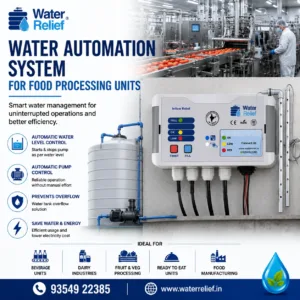
A Water automation system for food processing units helps manage storage tanks and pumps without constant manual checking. It monitors water levels, starts the pump... Continue reading
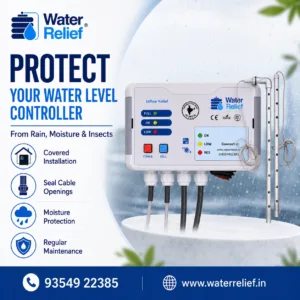
To protect water level controller from rain moisture and insects, the controller should be installed in a dry, covered and properly ventilated location. Direct rain,... Continue reading
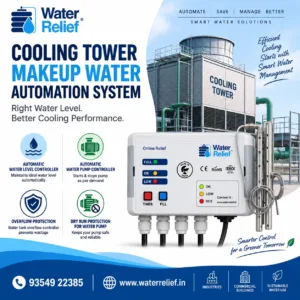
A Cooling tower makeup water automation system helps maintain the required water level in cooling tower tanks without constant manual checking. It monitors the water... Continue reading
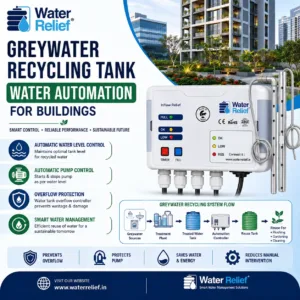
Greywater recycling tank water automation for buildings helps manage recycled water storage and pump operation without constant manual checking. It monitors tank levels, starts the... Continue reading
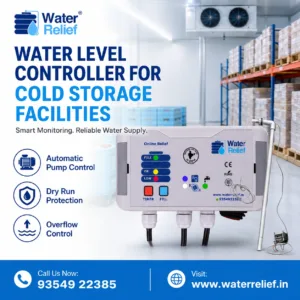
Water level controller monitoring for cold storage facilities helps manage storage tanks and water pumps without constant manual checking. The system monitors tank levels, starts... Continue reading

Add comment