
No products in the cart.
Return To Shop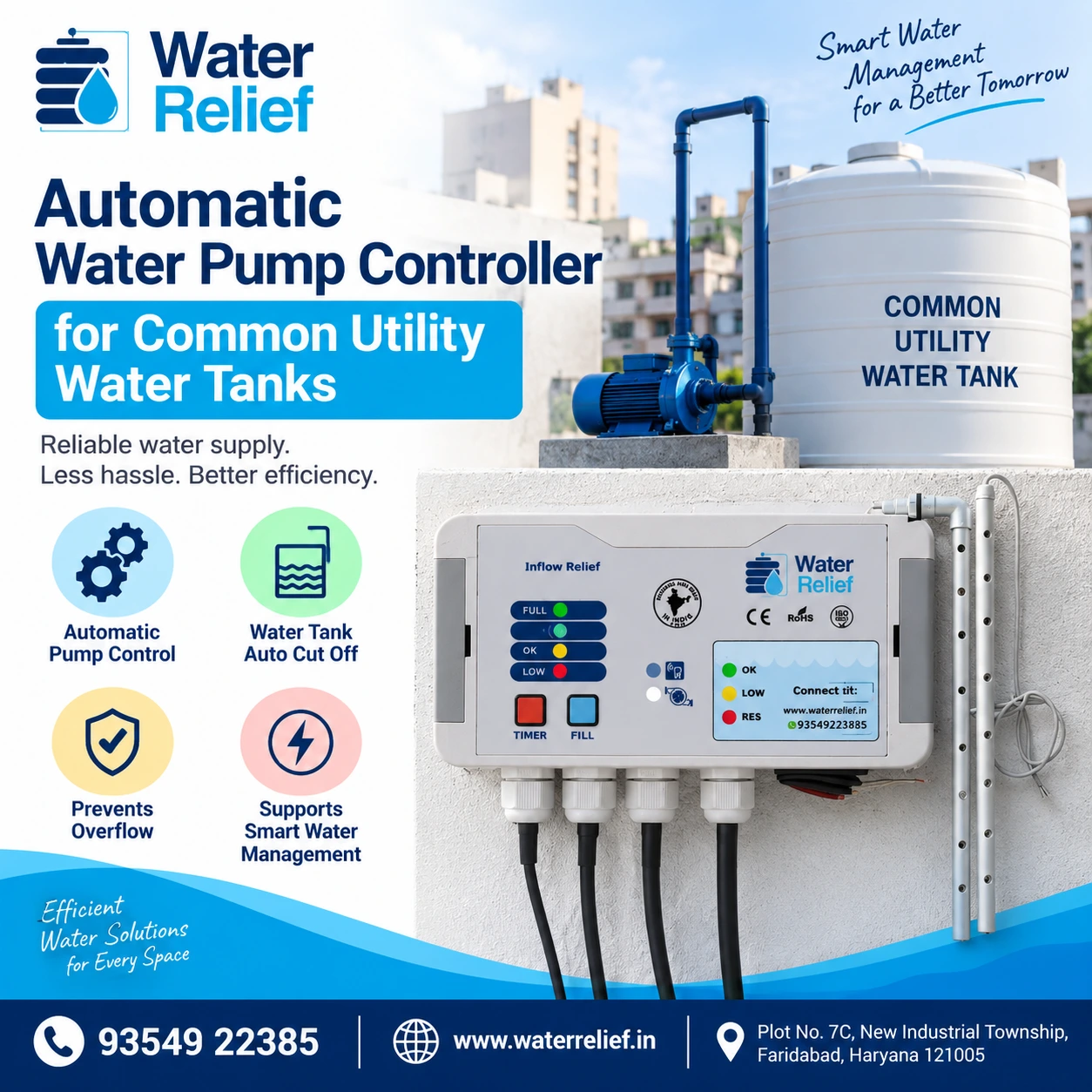
An Automatic Water Pump Controller for Common Utility Water Tanks helps manage shared water storage without repeated manual switching. The system monitors tank levels, starts the pump when water is needed, and stops it once the selected full level is reached.
Common utility tanks are used in apartments, offices, schools, factories, warehouses, hospitals, hotels, and commercial buildings. These tanks may supply water for washrooms, cleaning, landscaping, staff areas, service zones, and other daily needs.
A properly planned Water automation system helps maintain a more reliable water supply while reducing overflow, unnecessary pump operation, and staff dependency.
Why Common Utility Water Tanks Need Automation
Utility water demand can change throughout the day.
Morning and evening use may be higher in residential or commercial buildings, while cleaning and housekeeping activities can increase demand during working hours.
Common problems include:
- Tank becoming empty unexpectedly
- Water overflowing from the tank
- Pump running longer than required
- Staff forgetting to stop the pump
- Frequent tank checking
- Higher electricity use
- Delayed water supply
- Unnecessary pump wear
Therefore, an automatic system can make water management easier.
What Is a Water Pump Controller?
A Water pump controller is a device that manages pump operation according to tank-level signals.
Sensors are installed at selected low and full levels. When the tank reaches the low level, the controller can start the pump automatically.
Once the tank reaches the selected full level, the motor stops.
The basic process is:
Tank low → Pump starts → Tank fills → Full level reached → Pump stops
As a result, staff do not need to switch the pump manually every time.
How a Water Automation System Works
A Water automation system connects the tank, level sensors, controller, and pump.
The controller receives signals from the tank sensors and uses them to decide when the pump should operate.
A common setup may include:
- Source tank
- Common utility tank
- Water-level sensors
- Water pump controller
- Pump starter
- Manual override
This makes the filling process more organised and predictable.
Benefits of an Automatic Water Pump Controller for Utility Tanks
Maintains Reliable Water Availability
Common utility tanks may serve several areas at the same time.
When the tank becomes low, the controller starts filling automatically. Therefore, the risk of sudden water shortage is reduced.
Provides Water Tank Auto Cut Off
The Water tank auto cut off feature stops the pump once the tank becomes full.
This helps prevent the motor from running unnecessarily after the required water level is reached.
Prevents Water Tank Overflow
A Water tank overflow controller helps stop the pump at the selected full level.
This can reduce:
- Water wastage
- Wet utility areas
- Extra drainage load
- Unnecessary pump operation
- Higher electricity use
Reduces Manual Work
Maintenance staff do not need to check the tank repeatedly.
This is especially useful where tanks are located on terraces, in service areas, or away from the pump room.
Saves Electricity
The pump runs only when the tank needs water.
Once the required level is reached, the motor stops automatically. Therefore, unnecessary electricity consumption can be reduced.
Improves Pump Operation
Repeated manual switching can lead to inconsistent pump use.
An automatic controller operates the pump according to actual water demand. As a result, daily pump operation becomes more controlled.
Smart Water Management for Common Utility Tanks
Smart water management means controlling water according to actual tank demand instead of relying on fixed manual timings.
A smart utility tank setup can help:
- Maintain proper tank levels
- Reduce overflow
- Reduce repeated pump switching
- Improve water availability
- Support multiple tanks
- Reduce manual monitoring
Therefore, automation can improve overall water management in large properties.
Water Tank Auto Cut Off for Shared Water Systems
The Water tank auto cut off function is useful for common tanks serving many users.
Once the full-level sensor detects water, the controller stops the pump automatically.
This feature is especially useful when:
- The tank is far from the pump switch
- Staff work in shifts
- Filling happens at night
- One pump serves several areas
- Tank filling takes a long time
Water Tank Overflow Controller for Utility Tanks
A Water tank overflow controller helps reduce water loss by stopping the motor before the tank spills over.
Overflow can create several problems, such as:
- Water wastage
- Slippery surfaces
- Damp walls
- Extra cleaning work
- Increased electricity use
Automatic cut-off helps reduce these issues.
Common Applications
Apartment Buildings
Common utility tanks may supply water to washrooms, cleaning areas, and service zones.
Offices
Office buildings may use common tanks for staff areas, washrooms, and housekeeping.
Schools and Colleges
Institutions can automate common water tanks used for washrooms, cleaning, and general utility needs.
Hotels
Hotels often have large water demand across guest areas, kitchens, housekeeping, and staff facilities.
Warehouses
Utility tanks can support cleaning, washrooms, and general facility operations.
Factories
Industrial facilities may use common water tanks for cleaning, utility work, and staff-use areas.
Automation for Multiple Utility Tanks
Large buildings may use more than one utility tank.
For example:
- Main utility tank
- Cleaning-water tank
- Staff-use tank
- Reserve tank
- Service-area tank
A customised Water automation system can monitor these tanks according to their individual water levels.
Therefore, multiple tanks can be managed with less manual intervention.
Features to Check Before Installation
Tank Capacity
The controller should suit the actual utility tank size.
Pump Capacity
The controller must match the pump horsepower and electrical load.
Pump Phase
Check whether the pump uses single-phase or three-phase power.
Full-Level Cut-Off
The system should stop the pump automatically when the tank becomes full.
Source-Water Monitoring
Where required, the source tank should be monitored before the pump starts.
Manual Override
Manual mode is useful during maintenance and testing.
Clear Status Indicators
Useful indicators may include:
- Tank low
- Tank full
- Pump running
- Power available
- Manual mode
- Automatic mode
Installation Requirements
Before installation, a technician should inspect the complete water system.
Important details include:
- Number of utility tanks
- Tank capacities
- Water source
- Pump horsepower
- Pump phase
- Existing starter panel
- Pipe layout
- Daily water demand
- Distance between source and destination tanks
- Sensor positions
Therefore, proper planning is important before selecting the controller.
Why Choose Water Relief?
Water Relief provides automatic tank and pump-control solutions for residential, commercial, institutional, and suitable industrial water-management applications.
A properly selected system can help:
- Automate common utility tank filling
- Start and stop pumps automatically
- Provide water tank auto cut off
- Prevent tank overflow
- Reduce manual checking
- Manage multiple tanks
- Reduce unnecessary pump operation
- Support smarter water management
The controller should be selected according to the tank layout, pump specifications, and daily water requirement.
Conclusion
An Automatic Water Pump Controller for Common Utility Water Tanks helps maintain reliable water levels with less manual effort.
A suitable Water pump controller can start and stop the pump according to actual tank demand, while a Water tank overflow controller helps prevent unnecessary water loss.
With the right Water automation system, common utility tanks can be managed more efficiently while supporting better Smart water management and reliable Water tank auto cut off.
FAQs
1. What is an automatic water pump controller for common utility water tanks?
It is a system that monitors the tank level and automatically starts or stops the pump according to water demand.
2. Can the controller stop the pump when the tank becomes full?
Yes. The water tank auto cut off feature stops the pump once the full-level sensor is reached.
3. Can the system help prevent overflow?
Yes. A water tank overflow controller can stop the pump before the tank overflows.
4. Can one controller manage multiple utility tanks?
Yes. A customised setup can manage multiple tanks depending on the pipe and pump arrangement.
5. Does automation reduce manual work?
Yes. It reduces the need for repeated tank checking and manual pump switching.
6. Is professional installation recommended?
Yes. A technician should inspect the tank, pump, wiring, starter panel, and sensor positions before installation.
About author

Related posts
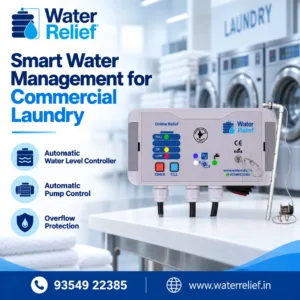
Smart water management for commercial laundry helps control water tanks and pumps automatically in facilities where water demand remains high throughout the day. The system... Continue reading
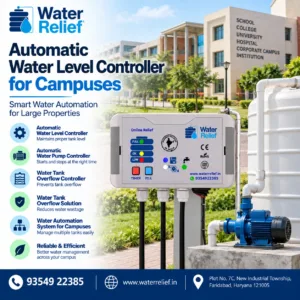
An Automatic water level controller for campuses helps manage multiple water tanks and pumps across large properties without repeated manual checking. It monitors tank levels,... Continue reading
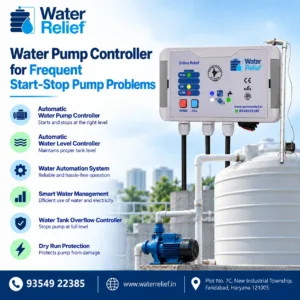
A Water Pump Controller for Frequent Start-Stop Pump Problems helps manage pump operation more efficiently when a motor keeps switching on and off repeatedly. Frequent... Continue reading
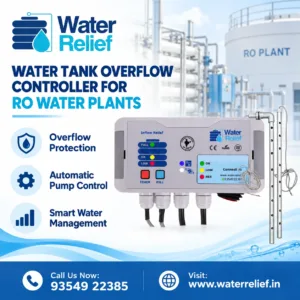
A Water tank overflow controller for RO water plants helps stop unnecessary water loss by monitoring tank levels and controlling pump operation automatically. It detects... Continue reading
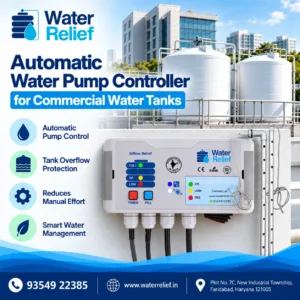
An Automatic Water Pump Controller for Commercial Water Tanks helps manage large water tanks without repeated manual switching. It monitors the tank level, starts the... Continue reading

Add comment