
No products in the cart.
Return To Shop
Water Tank Sensor Cleaning Guide is useful for every home, apartment, society and commercial building that uses a water level controller. Water tank sensors help detect the water level inside the tank. They support automatic pump operation, overflow prevention and better water monitoring. However, sensors can collect dust, dirt, algae, mineral deposits and hard water scaling over time.
Water Relief helps users manage water tanks with smart and reliable control. But like any water-related system, basic maintenance is important. Clean sensors can improve the performance of your water level controller. They also help reduce false signals, pump errors and overflow problems.
If sensors are dirty, the system may not read the tank level correctly. The pump may start late. It may stop early. In some cases, the pump may not stop when the tank is full. This can cause water wastage and maintenance problems.
That is why this Water Tank Sensor Cleaning Guide will help you understand how to clean sensors safely and maintain better water control.
Why Water Tank Sensors Need Cleaning
Water tank sensors stay inside or near the tank. They come in contact with water, moisture and minerals. Over time, dirt and deposits can collect on them.
This is common in areas with hard water. It can also happen in tanks that are not cleaned regularly.
Sensor cleaning is important because it helps with:
- Accurate water level detection
- Better pump control
- Reduced false signals
- Lower overflow risk
- Better motor protection
- Smooth controller performance
- Longer system life
Water Relief recommends regular sensor checking for better performance. A clean sensor helps the system understand the correct tank level.
Common Signs Your Water Tank Sensors Need Cleaning
You do not need to wait for a complete system failure. There are some clear signs that your tank sensors may need cleaning.
Look for these signs:
- Pump does not start on time
- Pump does not stop when the tank is full
- Controller shows wrong water level
- Tank overflows even after automation
- Low-level or full-level signal is incorrect
- Water alarm gives false alerts
- Pump starts and stops too often
- Water level indication looks unstable
If you notice these issues, cleaning the sensors may help. If the problem continues after cleaning, you should call a technician.
Role of Sensors in an Automatic Water Level Controller
An Automatic Water Level Controller depends on sensors to read the tank level. These sensors tell the controller whether the tank is empty, low, medium or full.
Based on this information, the controller starts or stops the pump. If the sensor gives the wrong signal, the controller may also take the wrong action.
For example, if the full-level sensor is dirty, the system may not detect that the tank is full. As a result, the pump may keep running. This can cause overflow.
So, sensor cleaning is not a small task. It directly affects pump operation and water control.
Water Relief uses smart water control to make daily water management easier. But proper sensor maintenance helps the system work even better.
Why Dirty Sensors Can Cause Water Tank Overflow
Water tank overflow often happens because the pump keeps running after the tank is full. In many cases, this happens due to manual pump control. However, dirty or faulty sensors can also be a reason.
If the sensor is covered with mineral deposits, algae or dirt, it may not detect water correctly. The controller may not receive the full-level signal. So, the pump may continue running.
This can lead to:
- Water wastage
- Terrace leakage
- Damp walls
- Slippery areas
- Higher electricity bills
- More maintenance work
- Pump stress
Regular sensor cleaning helps reduce these risks. Water Relief helps prevent overflow, but clean sensors make the system more accurate.
Safety First Before Cleaning Sensors
Before cleaning water tank sensors, safety is very important. Water and electricity can be dangerous together. So, never clean sensors while the power is on.
Follow these safety steps first:
- Switch off the main power supply
- Turn off the water pump
- Do not touch wet wires
- Wear rubber gloves if possible
- Use a dry cloth around electrical parts
- Do not pull sensor wires forcefully
- Call a technician if wiring looks damaged
If the sensor system is connected to an electrical controller, avoid opening the controller box yourself. Cleaning sensor tips may be simple, but electrical repair should be done by a trained person.
Tools Needed for Sensor Cleaning
You do not need many tools for basic water tank sensor cleaning. Use simple and safe items.
You may need:
- Clean cloth
- Soft brush
- Mild cleaning solution
- Bucket of clean water
- Rubber gloves
- Dry towel
- Small sponge
- Vinegar solution for light scaling
- Technician support for wiring issues
Avoid using harsh chemicals. Strong chemicals can damage sensor parts, wires or tank surfaces. Also, do not use sharp tools to scrape deposits. They can damage the sensor.
Step-by-Step Water Tank Sensor Cleaning Guide
Follow these simple steps to clean your water tank sensors safely.
Step 1: Switch Off the Power
First, turn off the power supply to the water controller and pump. This is the most important step.
Do not clean sensors while the system is active. It can be unsafe and may damage the controller.
Step 2: Open the Tank Cover
Open the water tank cover carefully. Make sure the area is safe and dry.
If the tank is on the terrace, avoid cleaning during rain or strong wind. Also, avoid standing on wet or slippery surfaces.
Step 3: Locate the Sensors
Find the water level sensors inside the tank. These sensors may be placed at different levels.
Usually, there may be sensors for:
- Full level
- Medium level
- Low level
- Empty level
- Common point
Do not disturb the sensor position unless required. Wrong placement can affect water level reading.
Step 4: Check for Dirt and Scaling
Look carefully at the sensors. Check whether they have dirt, algae, rust, salt deposits or hard water scaling.
Hard water scaling often looks like white or chalky buildup. If this buildup covers the sensor, it may affect performance.
Step 5: Clean with a Soft Cloth
Use a clean, soft cloth to wipe the sensor surface. Remove dirt and loose deposits gently.
Do not pull wires. Do not bend sensor rods. Clean slowly and carefully.
Step 6: Use a Soft Brush for Deposits
If deposits are stuck, use a soft brush. Brush the sensor gently until the surface looks clean.
Avoid metal brushes. They can scratch or damage the sensor.
Step 7: Use Mild Vinegar Solution if Needed
For hard water deposits, you can use a mild vinegar solution. Apply it lightly on the affected area. Wait for a few minutes. Then clean with a soft cloth.
After that, rinse with clean water. Do not leave vinegar on metal parts for too long.
Step 8: Dry the Sensor Area
After cleaning, dry the sensor area gently with a clean towel. Make sure wires and contact points are not wet.
Do not switch on the system until the area is safe and dry.
Step 9: Check Sensor Position
Make sure sensors are still placed at the correct levels. If any sensor has moved, the controller may show wrong readings.
If you are unsure about sensor placement, call a technician.
Step 10: Switch On and Test
Now switch on the controller and pump. Check whether the water level indication is correct.
Also test whether the pump starts and stops at the right level. If the system works properly, the cleaning is successful.
Cleaning Sensors in Hard Water Areas
Hard water areas need more frequent sensor cleaning. Mineral deposits build up faster in these locations.
If your area has hard water, check sensors more often. You may need cleaning every few weeks or months, depending on water quality.
Hard water can cause:
- White deposits on sensors
- Poor water level detection
- False full or low signals
- Pump operation issues
- More maintenance needs
Water Relief helps manage pump control, but sensor maintenance is important in hard water areas.
Smart Water Solution for Home with Clean Sensors
A Smart Water Solution for Home works best when sensors are clean and properly placed. Smart water systems depend on accurate level detection.
If the sensor is dirty, even a smart controller may receive wrong information. So, cleaning sensors helps the full system work better.
Clean sensors help with:
- Better water level reading
- Smooth pump operation
- Less overflow risk
- Better water saving
- Better home water management
Water Relief is designed to make water control easy. Regular sensor cleaning makes the system more dependable.
Smart Water Tank Monitoring and Sensor Maintenance
Smart Water Tank Monitoring helps users track tank status more clearly. It reduces guesswork and supports automatic control.
However, smart monitoring depends on sensor accuracy. If sensors are dirty, monitoring may not show the correct level.
That is why sensor cleaning should be part of routine maintenance. It helps keep tank monitoring accurate and useful.
Good sensor maintenance supports:
- Accurate tank level display
- Better pump control
- Fewer false alerts
- Reduced manual checking
- Improved system reliability
Water Relief helps users manage tanks smartly. Clean sensors make the monitoring system more effective.
Water Tank Alarm System and Sensor Cleaning
A Water Tank Alarm System also depends on sensors. If the sensor is dirty, the alarm may not work correctly.
Sometimes the alarm may ring even when the tank is not full. Sometimes it may not ring when the tank is full. Both situations can create confusion.
Sensor cleaning helps improve alarm accuracy. It also reduces false alerts.
But remember, a water alarm only gives a warning. A smart controller can manage the pump automatically. Water Relief offers better water control than a basic alarm-only setup.
Society Water Automation and Sensor Cleaning
Society Water Automation needs proper sensor maintenance because societies often have large tanks and heavy water usage. If sensors fail in a society tank, many residents may face problems.
Dirty sensors can cause:
- Overflow in overhead tanks
- Wrong tank level signals
- Pump running too long
- Water shortage complaints
- Higher electricity bills
- More maintenance calls
For societies, regular sensor cleaning should be part of maintenance planning. Water Relief helps automate water systems, but clean sensors help maintain accuracy.
How Often Should You Clean Water Tank Sensors?
The cleaning frequency depends on water quality and usage.
Use this simple guide:
- Normal water area: clean every 3 to 6 months
- Hard water area: check every 1 to 3 months
- Society tanks: inspect monthly
- Commercial buildings: inspect regularly
- After tank cleaning: check sensors immediately
- After false signals: clean sensors first
If the tank has algae, dirt or heavy scaling, clean sensors more often.
Mistakes to Avoid While Cleaning Sensors
Avoid these common mistakes during sensor cleaning:
- Do not clean sensors with power on
- Do not use sharp tools
- Do not pull sensor wires
- Do not change sensor height without reason
- Do not use harsh chemicals
- Do not ignore damaged wires
- Do not switch on the system while parts are wet
- Do not delay cleaning after false signals
Careful cleaning helps protect the controller and improves system life.
When Should You Call a Technician?
Some sensor problems need expert support. Cleaning may not solve every issue.
Call a technician if:
- Sensor wire is damaged
- Controller shows no signal
- Pump does not start after cleaning
- Pump does not stop after cleaning
- Controller lights are not working
- Water level reading is still wrong
- You see sparks or burning smell
- Sensor position needs adjustment
Water Relief users should get the system checked if repeated faults appear. Early inspection can prevent bigger problems.
Benefits of Regular Water Tank Sensor Cleaning
Regular sensor cleaning gives many benefits.
Main benefits include:
- Better controller performance
- Accurate water level reading
- Reduced overflow risk
- Lower electricity wastage
- Better pump protection
- Fewer false signals
- Longer sensor life
- Better tank monitoring
- Less manual stress
- Smoother daily water management
For homes, societies and commercial buildings, sensor cleaning is a simple but useful maintenance step.
Why Choose Water Relief
Water Relief helps users manage water in a smarter and more reliable way. It supports automatic pump control, tank monitoring and overflow prevention.
With proper sensor cleaning, Water Relief can help reduce daily water problems even more.
Reasons to choose Water Relief include:
- Easy water automation
- Better pump control
- Overflow prevention
- Less manual work
- Better water saving
- Useful for homes and societies
- Supports smart tank monitoring
- Helps protect pumps and motors
Water Relief is a practical choice for users who want simple and dependable water management.
Final Thoughts
This Water Tank Sensor Cleaning Guide can help you maintain your water level system in a better way. Sensors are small parts, but they play a big role in pump control and tank monitoring.
Dirty sensors can cause wrong readings, overflow, false alerts and pump issues. Regular cleaning helps improve accuracy and system performance.
Water Relief helps users manage water with smart automation. It works with Automatic Water Level Controller technology, helps prevent Water tank overflow, supports Smart Water Tank Monitoring and works as a practical Smart Water Solution for Home.
Clean sensors mean better water control, less wastage and more peace of mind.
FAQs
1. What is a Water Tank Sensor Cleaning Guide?
A Water Tank Sensor Cleaning Guide explains how to clean water level sensors safely so your controller can read tank levels accurately.
2. Why should I clean water tank sensors?
You should clean sensors to remove dirt, scaling and mineral deposits. Clean sensors help prevent wrong readings and pump control problems.
3. Can dirty sensors cause Water tank overflow?
Yes, dirty sensors can cause Water tank overflow if the controller does not detect the full tank level correctly.
4. How often should I clean water tank sensors?
In normal water areas, clean sensors every 3 to 6 months. In hard water areas, check them every 1 to 3 months.
5. Does an Automatic Water Level Controller need sensor cleaning?
Yes, an Automatic Water Level Controller needs clean sensors for accurate water level detection and proper pump control.


About author

Related posts
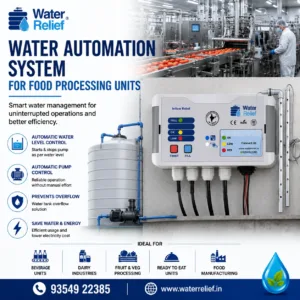
A Water automation system for food processing units helps manage storage tanks and pumps without constant manual checking. It monitors water levels, starts the pump... Continue reading
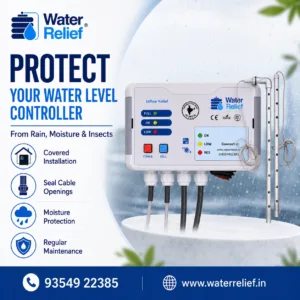
To protect water level controller from rain moisture and insects, the controller should be installed in a dry, covered and properly ventilated location. Direct rain,... Continue reading
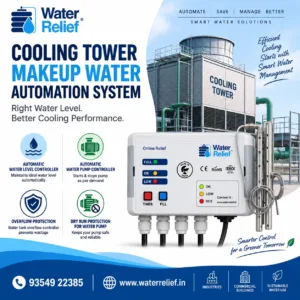
A Cooling tower makeup water automation system helps maintain the required water level in cooling tower tanks without constant manual checking. It monitors the water... Continue reading
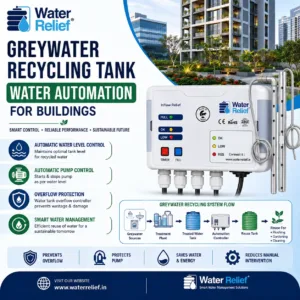
Greywater recycling tank water automation for buildings helps manage recycled water storage and pump operation without constant manual checking. It monitors tank levels, starts the... Continue reading
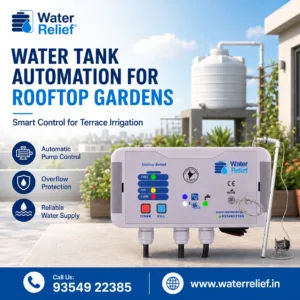
Water tank automation for rooftop gardens helps maintain a reliable water supply for plants without constant manual checking. It monitors the tank level, starts the... Continue reading

Add comment