
No products in the cart.
Return To Shop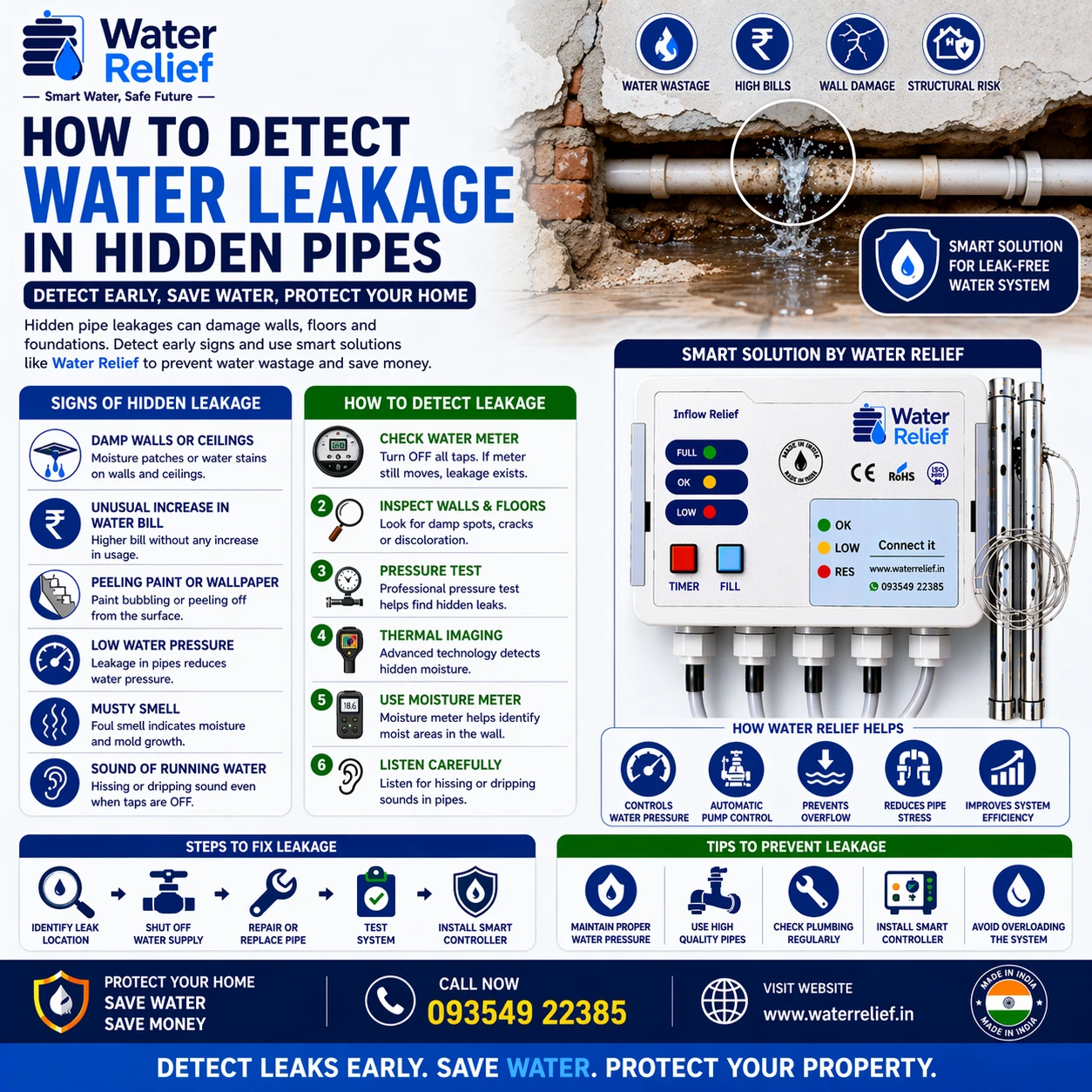
Water leakage in hidden pipes is one of the most dangerous and unnoticed problems in homes, apartments, and commercial buildings. Since the pipes are concealed inside walls, floors, or underground, detecting leaks becomes difficult until serious damage occurs.
If you are searching for how to detect water leakage in hidden pipes, this guide will help you identify early signs and solutions. Water Relief provides smart water management systems that help prevent water-related issues and improve efficiency.
Why Hidden Pipe Leakage Is a Serious Problem
Hidden leaks can cause:
- structural damage to walls and ceilings
- mold and dampness
- increased water bills
- wastage of water
- weakening of building foundation
Ignoring leakage can lead to expensive repairs.
Common Causes of Hidden Pipe Leakage
1. Old or Damaged Pipes
Pipes deteriorate over time.
2. Poor Installation
Improper fittings lead to leakage.
3. High Water Pressure
Excess pressure damages pipes.
4. Corrosion
Rust weakens pipelines.
5. Joint Failures
Loose joints cause water leakage.
Signs of Water Leakage in Hidden Pipes
1. Damp Walls or Ceilings
Moist patches are the most common sign.
2. Peeling Paint or Wallpaper
Water damage causes paint to bubble or peel.
3. Unusual Increase in Water Bill
Higher consumption without increased usage.
4. Musty Smell
Indicates mold growth due to leakage.
5. Low Water Pressure
Leakage reduces water flow.
6. Sound of Running Water
Even when taps are OFF.
Methods to Detect Hidden Water Leakage
1. Check Water Meter
Steps:
- turn OFF all taps
- observe water meter
- if it moves → leakage exists
2. Inspect Walls and Floors
Look for:
- damp spots
- cracks
- discoloration
3. Use Pressure Test
Professionals use pressure testing to identify leaks.
4. Thermal Imaging
Advanced method to detect hidden leaks.
5. Listen Carefully
Leakage often produces hissing or dripping sounds.
6. Use Moisture Meter
Helps detect moisture inside walls.
Smart Solution by Water Relief
While detection is important, prevention is even more critical.
Water Relief provides smart water controllers that help:
- maintain proper water pressure
- prevent overflow
- reduce stress on pipelines
- improve overall water system efficiency
How Water Relief Helps Prevent Leakage
1. Controls Water Pressure
Prevents excessive pressure that damages pipes.
2. Automatic Pump Control
Avoids unnecessary water flow.
3. Efficient Water Management
Reduces strain on plumbing system.
4. Prevents Overflow
Stops water wastage and pipe stress.
Benefits of Using Water Relief
1. Protects Infrastructure
Reduces chances of pipe damage.
2. Saves Water
Prevents wastage due to leaks.
3. Reduces Maintenance Cost
Less repair work required.
4. Improves System Efficiency
Ensures balanced water flow.
5. Fully Automatic System
No manual monitoring needed.
Steps to Fix Hidden Pipe Leakage
1. Identify Leak Location
Use detection methods.
2. Shut Off Water Supply
Prevent further damage.
3. Repair or Replace Pipe
Fix damaged section.
4. Test System
Ensure no further leakage.
5. Install Smart Controller
Prevent future problems with Water Relief.
Tips to Prevent Hidden Leakage
- maintain proper water pressure
- use high-quality pipes
- check plumbing regularly
- install smart water controller
- avoid overloading system
Common Mistakes to Avoid
- ignoring early signs
- delaying repair
- using low-quality fittings
- relying only on manual monitoring
Ideal Applications
Water Relief system is suitable for:
- homes
- apartments
- offices
- hotels
- factories
Long-Term Benefits
Using Water Relief provides:
- reduced leakage risk
- lower water bills
- improved system life
- better water management
Final Thoughts
Hidden pipe leakage is a silent problem that can cause major damage if ignored.
The best approach is early detection combined with smart prevention.
Water Relief provides a reliable solution that ensures:
- efficient water flow
- reduced pressure damage
- improved system safety
- long-term cost savings
Upgrade to Water Relief and protect your property from hidden water leakage.
About author

Related posts
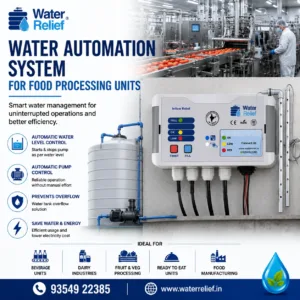
A Water automation system for food processing units helps manage storage tanks and pumps without constant manual checking. It monitors water levels, starts the pump... Continue reading
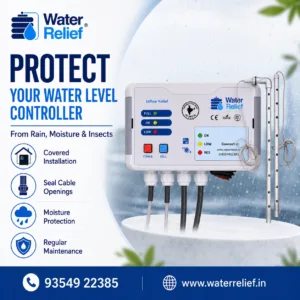
To protect water level controller from rain moisture and insects, the controller should be installed in a dry, covered and properly ventilated location. Direct rain,... Continue reading
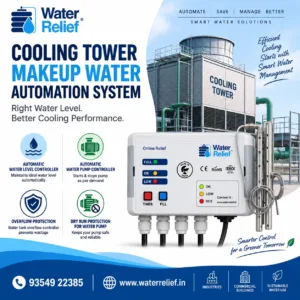
A Cooling tower makeup water automation system helps maintain the required water level in cooling tower tanks without constant manual checking. It monitors the water... Continue reading
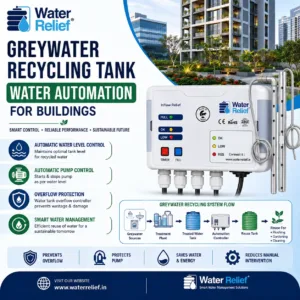
Greywater recycling tank water automation for buildings helps manage recycled water storage and pump operation without constant manual checking. It monitors tank levels, starts the... Continue reading
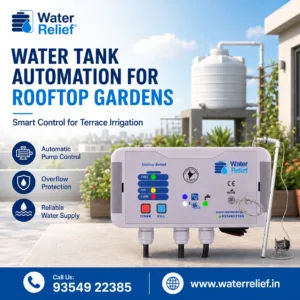
Water tank automation for rooftop gardens helps maintain a reliable water supply for plants without constant manual checking. It monitors the tank level, starts the... Continue reading

Add comment